$120.00

 from
$84.00 USD
$145.00 USD
from
$84.00 USD
$145.00 USD


 Sold Out




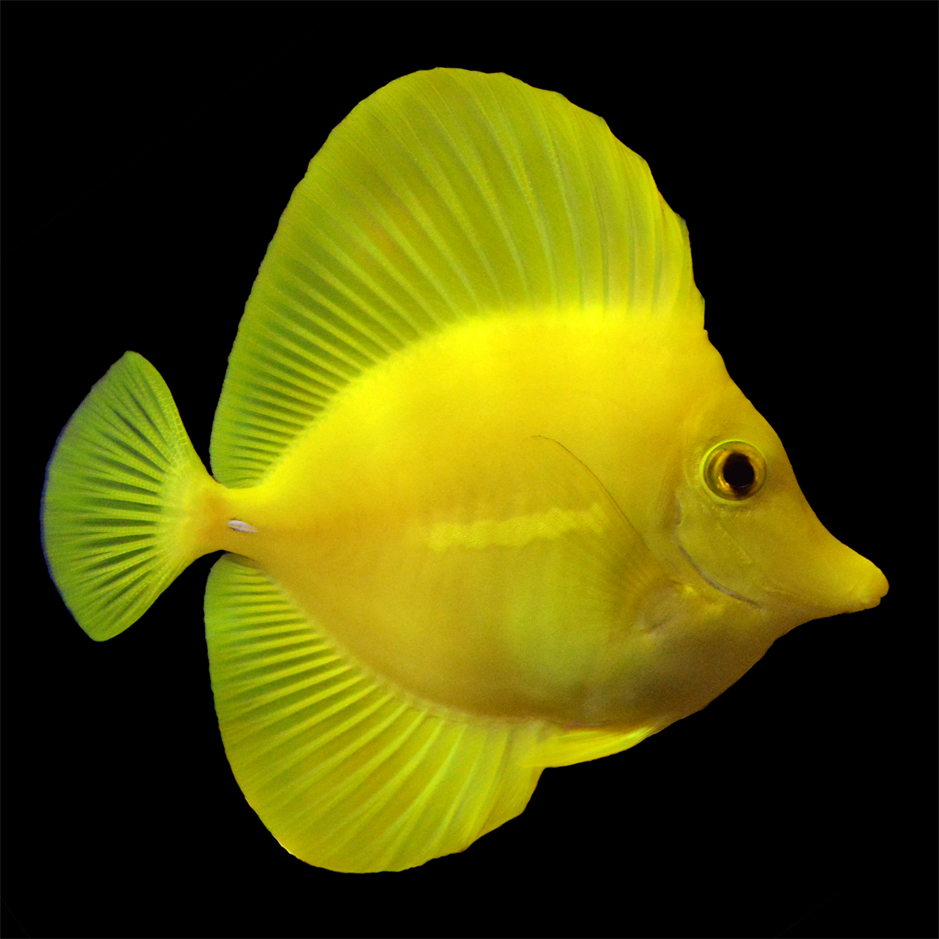
We often hear from hobbyists who are curious about breeding marine fish at home. While breeding species like Yellow Tangs isn’t possible in a home aquarium, there are several beginner-friendly options to get started - clownfish, seahorses, and Banggai Cardinalfish. In this article, we’ll focus on one of the most popular and rewarding choices: Amphiprion ocellaris, the common clownfish.

At The Biota Group, we believe ethically bred captive bred fish are hardier, healthier, and reduce pressure on wild populations. Clownfish are among the most recognizable and beloved marine fish, and their ability to be easily captive bred played a crucial role in the early days of marine fish breeding. Clownfish are arguably the easiest marine fish to breed in home aquariums. If you’re interested in spawning and raising marine fish, clownfish are one of the best fish to start with because they are easy and inexpensive to raise, and don’t require a lot of space.
Setting Up a Clownfish Breeding Pair
Clownfish are sequential protandrous hermaphrodites, meaning juveniles change sex when the dominant fish in the group are lost. In the wild, clownfish live in small groups within anemones, where the largest fish is the dominant female, the second-largest is the male, and the rest are non-breeding juveniles. If you start with two juveniles, they will naturally form a pair, with one transitioning into a female over time.
For breeding, choose:

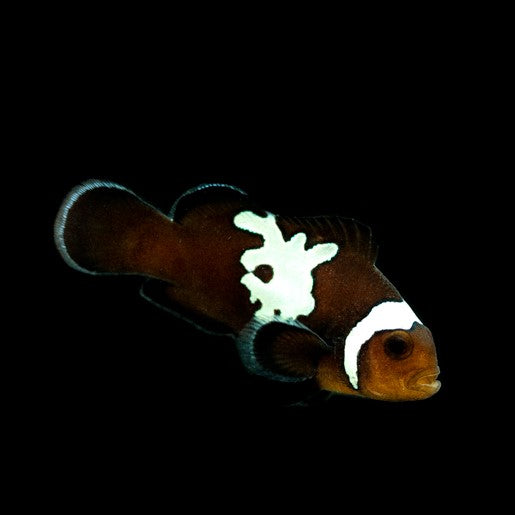
This clownfish bred in 2009 by an unknown breeder has a beautiful pattern but slight deformities.
Tank Setup for Breeding
Ideally you will have some tank setup and reefkeeping experience before setting up your Clownfish breeding aquarium. Understand the Nitrogen cycle, proper quarantine, and cycling a new aquarium well before beginning.

Encouraging Spawning
Clownfish maturity determines when they'll be able to spawn. It can take a year or two after putting two juvenile clownfish together for them to spawn. An already established male/female pair can spawn much more quickly.
Once your pair is established and mature, encourage spawning with:
Keep notes on when your clownfish spawn. Clownfish tend to spawn on a fairly regular schedule about once every two weeks. If you can predict each spawn date, you can better prepare for the larvae.
Spawning Behavior
Preparing for Hatch Night
Before hatching, set up a separate larval rearing tank:

Hatching the Larvae
On hatch night, turn off all pumps and use a dim flashlight to attract the larvae.
Transfer the larvae to the rearing tank using a gentle scoop or siphon. Do not expose them to air; this can damage their delicate swim bladders.
First Feeding (Day 1–10)
Larvae require live food to survive, as they cannot eat dry or frozen foods at this stage.

Metamorphosis (Day 10–20)
Juvenile Stage (3+ Weeks)
Common Challenges & Solutions
Poor Hatch Rates?

Sadly these clownfish eggs were handled too much just before hatching - a reefer tried to transfer them to a local friend for raising - but they perished.
Larvae Not Eating?
High Mortality During Metamorphosis?
Artemia Shock
Clownfish larvae can experience sudden mortality or "shock" when fed Artemia (brine shrimp) for too long, especially if they’re fed exclusively Artemia past the early stages of development.
1. Nutritional Deficiency ("Artemia Shock")
Artemia alone does not meet the full nutritional requirements of growing clownfish larvae and juveniles. It's particularly deficient in essential fatty acids, especially highly unsaturated fatty acids (HUFA) like DHA and EPA, which are critical for grain and eye development, immune system function, and cell membrane integrity.
Over time, larvae raised primarily on Artemia develop nutritional deficiencies, even though they appear to be growing well at first. The sudden die-off often seen is linked to a critical tipping point, where their bodies can no longer sustain normal metabolic functions due to these deficiencies leading to "Artemia shock."
2. Inappropriate Particle Size and Texture
As clownfish larvae grow, their digestive systems become more developed, and Artemia becomes harder to digest and process, especially if it is not enriched with phytoplankton like Easy Reefs EasyArt or if the exoskeletons become too tough for small juvenile fish.

3. Oxygen Demand and Water Quality Issues
Artemia can also contribute to biofouling and oxygen depletion in rearing tanks if not consumed quickly. Excess Artemia in the water breaks down rapidly and pollutes the environment, further stressing larvae.
4. Lack of Dietary Transition
In successful hatcheries, larvae gradually transition from rotifers and Artemia to more diverse, nutritionally rich diets (e.g., enriched Artemia, copepods, micro pellets, frozen calanus, etc.). If this transition doesn't happen and they're stuck on Artemia too long, it contributes to developmental issues.
Solution:

What to do with all these baby Clownfish?!
1. Share or Gift Them
Give them to friends or fellow reefers in your local reef club or aquarium community. It’s a great way to share the joy and promote captive-bred fish.
2. Sell or Trade Locally
Offer them for sale at local fish stores (LFS). Many stores are happy to support local breeders, especially if your fish are healthy and eating well. Trade them for coral frags, equipment, or other livestock with hobbyists or stores. Once you have consistent success, you could sell to other hobbyists at reef swap events.
3. Use Them to Continue Breeding Projects
Select your healthiest individuals to start new breeding pairs. Work on selective breeding goals: color morphs, health, temperament, etc.

Why Choose Captive-Bred Clownfish?
By supporting aquaculture, you’re helping preserve natural reef ecosystems while enjoying some of the most vibrant, hardy, and personality-filled fish available.
If you’re looking for high-quality, captive-bred clownfish, check out The Biota Group’s collection at shop.thebiotagroup.com!

How to Introduce a New Fish to an Older Tankmate for Pairing
One of the most magical things you can witness in your reef aquarium is a bonded pair of fish. Whether it's a pair of mandarins gliding side by side or a duo of clownfish dancing in their favorite coral, paired fish are fascinating to observe and often display more natural behaviors. But how do you successfully introduce a new fish to an older tankmate in hopes of creating a pair? With patience, a plan, and the right tools, it can be easier than you think.

Why Pair Fish?
Some fish naturally live in pairs or harems in the wild. When kept alone, they may do just fine, but when paired, they often become more active, social, and even display breeding behavior.
Step 1: Choose the Right Match
Clownfish:
It may seem counterintuitive, but if you already have a Clownfish, you must introduce a smaller, younger Clownfish. Clownfish are protandrous hermaphrodites, meaning the dominant fish will become female, and the smaller will become male. Introducing two female Clownfish together will almost always end in tragedy. That's why it's important to choose the new Clownfish from a batch of clownfish that are most likely still juveniles. If you put two Clownfish together that have been single for a while, there’s a risk that both have already transitioned to female.

Mandarin Fish:
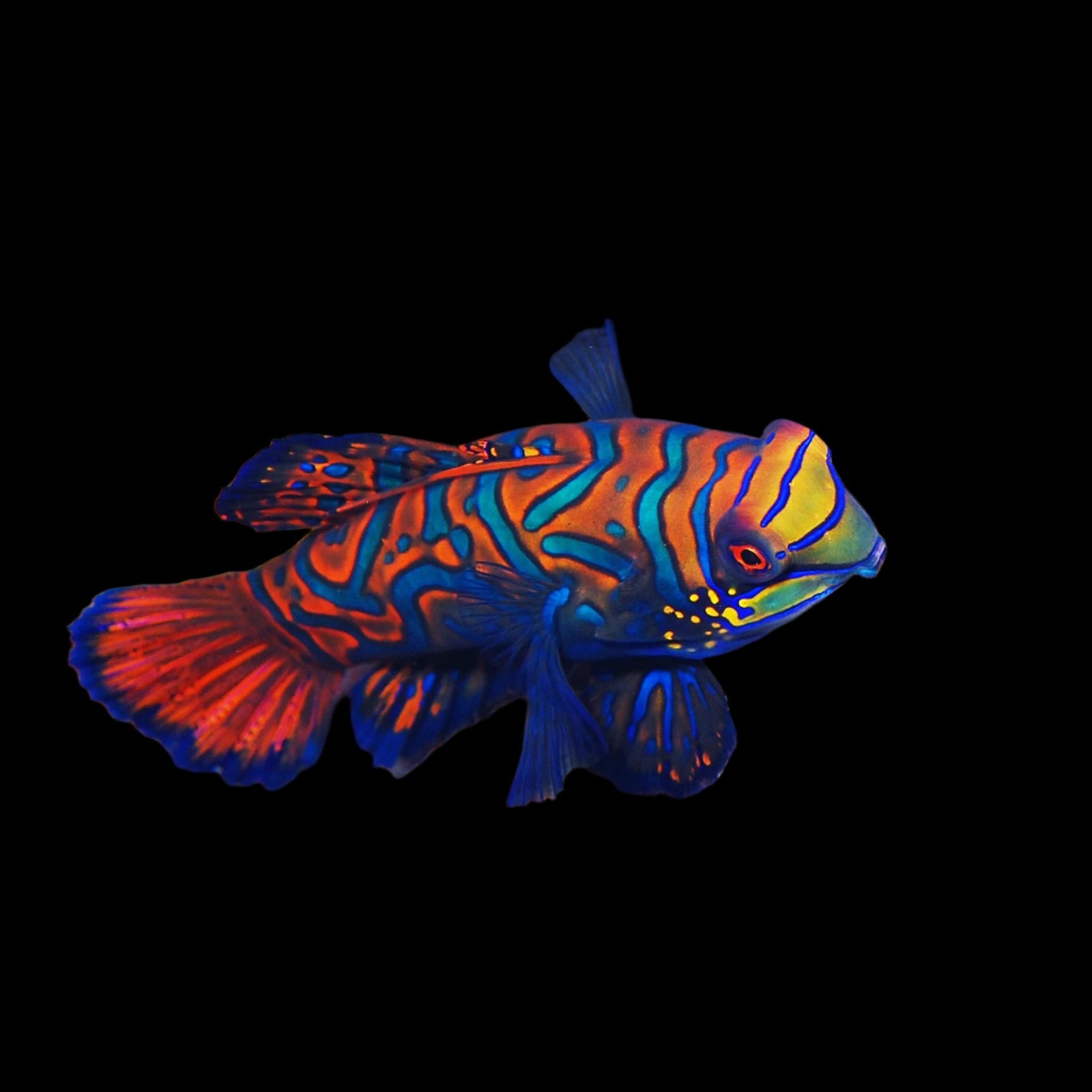
Mandarin Fish must be kept in male/female pairs. Though they are born either male or female and do not transition, it can be difficult to accurately sex them, so feel free to reach out to us with a photo of your Mandarin with the dorsal fin fully erect.
Our customers have successfully paired Mandarins of all sizes and ages using an acclimation box. On the rare occasions that pairs simply will not get along, a common element in these situations is a too-small tank size. It's imperative to only try pairing Mandarins in an aquarium of at least 30 gallons.
Angelfish:
Angelfish can be difficult to pair when the individuals aren't already familiar with one another. That's why purchasing two captive bred angelfish at the same from the same batch is ideal. This is much easier than trying to pair two wild-caught angelfish who are not familiar with each other, and their age/gender/maturity is unknown.
Angelfish are protogynous hermaphordites, meaning they start life as females, and the dominant individuals mature into males. If you already have an older Angelfish, and you want to introduce another, you must choose an Angelfish that has not yet transitioned to a male. 
Step 2: Use an Acclimation Box
This is the most important tool in your pairing setup. An acclimation box is a clear, ventilated container that hangs inside your aquarium, allowing the new fish to be visible to the older resident without risk of aggression. Both fish can see, smell, and interact with each other through the box for several days.
We recommend keeping the new fish in the acclimation box for ~7 days, depending on how the older fish reacts. Watch closely for signs of interest vs. hostility. You want curious behavior like hovering near the box or dancing movements, not flaring, nipping, or charging.
Make sure the acclimation box is large enough to comfortably house the fish and has hiding places inside like small PVC pipes or rocks. Also consider the size of your fish and ensure the ventilation holes are not large enough for your fish to escape. Biota's custom PNW boxes are designed for some of our smaller fish like Mandarins.
Step 3: Watch Their Body Language
Mandarins are especially expressive. If you’re pairing a male and female, you may notice them hunting together along the sides of the box or displaying gentle body movements. Clownfish may hover near the box or try to "host" near it. These are all good signs.
Step 4: Release at the Right Time
Once the fish are comfortable and showing peaceful interest in each other, release the new fish into the tank during a low-stress time, ideally at dusk with the lights dimmed or off. This helps reduce aggression and gives the new fish time to settle in before a new day.
Step 5: Keep Observing
After the release, continue to monitor the fish closely. Some chasing or posturing is normal as they establish their roles, but anything too aggressive or relentless should be taken seriously. In that case, it’s okay to separate them with the acclimation box and try again in a few days.
If you're noticing a lot of aggression on the first introduction, it is ideal to sequester the aggressor and allow the new fish to explore and gain territory if possible. With highly territorial species like some clownfish, you may need to repeat this process several times.
Mandarin Success Stories
We've heard from countless Biota customers who successfully paired our captive bred mandarin fish with their existing mandarin fish over the years. Using the acclimation box method, many hobbyists have created peaceful, bonded pairs, even in tanks with established, older fish.

When paired successfully, mandarins often travel the tank together, hunting copepods and exploring their territory. In the evenings, they perform an elegant courtship dance, rising slowly together into the water column.
A Few Extra Tips:
Make sure your tank is large enough, has plenty of hiding spaces, and has a lot of rockwork
Feed both fish well before and after pairing to reduce food-scarcity stress
With a little effort and observation, pairing fish can be a beautiful and rewarding part of the reefkeeping experience.
Have questions about pairing fish or choosing the right match? Reach out to us, we're happy to help you find your fish's perfect partner.
Are you considering adding a group of tangs or another territorial shoaling species? We have a blog just for you: https://shop.thebiotagroup.com/blogs/news/how-to-mix-multiple-tangs-in-an-aquarium
Mandarin photos courtesy of Christina Barringer of finatic_reef on Instagram