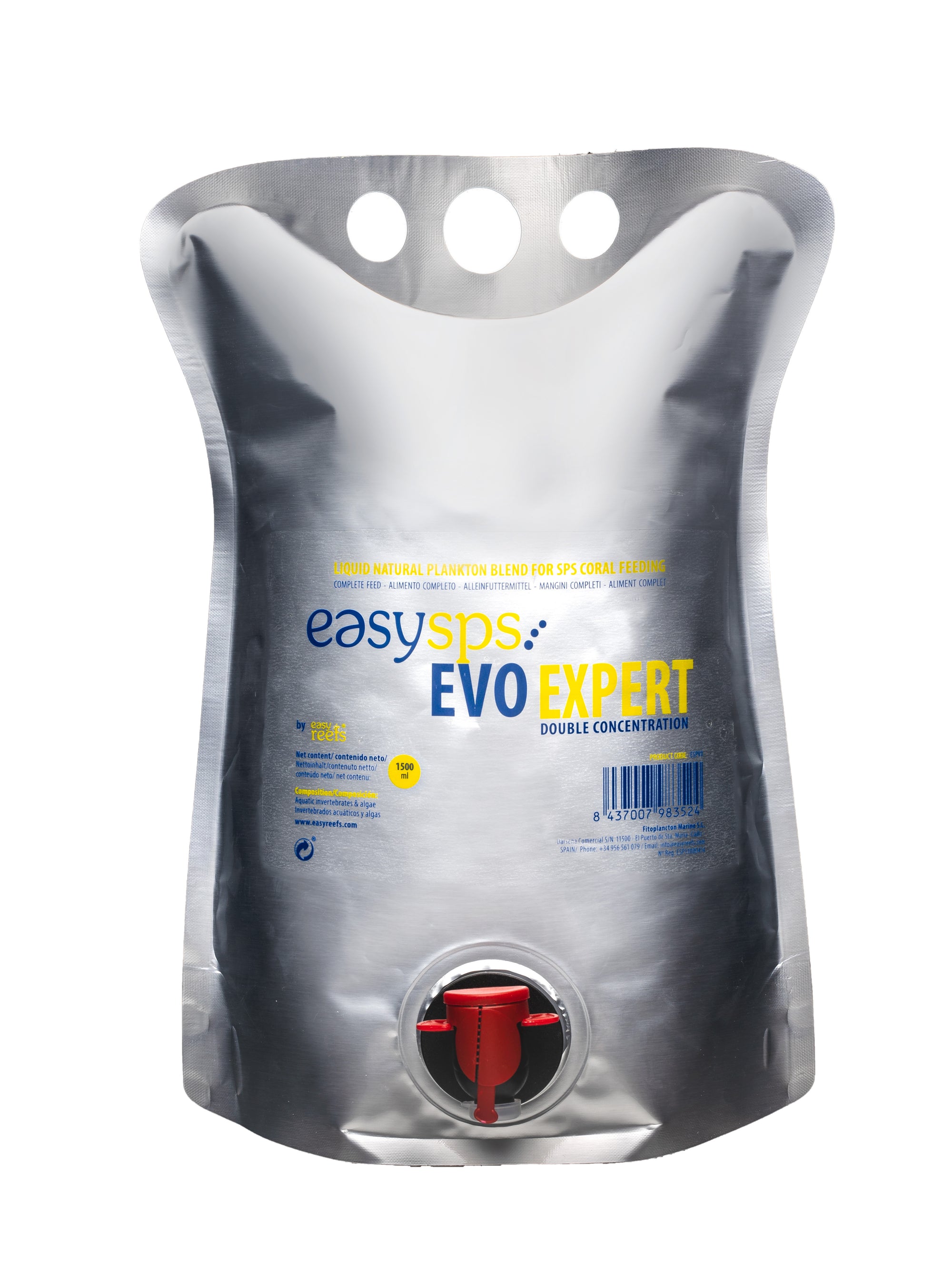
$120.00


$120.00

$250.00

 from
$84.00 USD
$145.00 USD
from
$84.00 USD
$145.00 USD


 Sold Out













Humans and fish have similar nutritional needs, but humans tend to be more adaptable than our sensitive little fish friends. That's why their nutritional needs are extra important, and feeding them the wrong foods can cause serious health problems. Many of our marine fish pets can live for a very long time. Yellow Tang, for example, can live 3 decades or more with proper care. We owe it to them to make sure their diet promotes their long lifespan and health. It's also worth mentioning that healthy fish with good diets are more beautiful, colorful, and personable, as well.
When it comes to your fishes' diet, focus on:
Think of your fish like children. You wouldn't feed your children one food item every day for years, and you wouldn't feed them food that isn't fresh or made with good quality ingredients. Just like babies and young children, younger fish need to eat more often, too.
Of course, a diet with high quality ingredients is most important. The "economy" brand foods with fillers, terrestrial ingredients, and lower quality ingredients are not suitable for the long term health of marine fish. You wouldn't feed your tang the same food you'd feed a guppy. Stick to trusted brands that use fresh, high quality seafoods like Easy Reefs.

photo credit: Melev's Reef
Freshness matters
One of the most common nutrition-related mistakes reefers make is feeding their fish foods that are not fresh.
A good general rule is to replace your dry fish foods within 3 - 6 months of opening if you store them properly. Even if the food isn't technically spoiled, it loses vitamins and nutrition as it ages.
If you tend to store your dry fish food near your aquarium, it's likely being exposed to warm, humid conditions that will degrade the vitamins and fatty acids. Water soluble vitamins such as vitamin C are the first to go and quickly lost, which can cause serious problems for fish health over time. Store your dry foods in a cool, dry place. Many can even be stored in the refrigerator (follow the manufacturer's recommendation) to preserve their integrity.
Not only is old food unhealthy, it doesn't taste good. If your finicky fish aren't eating, check the age of their foods.
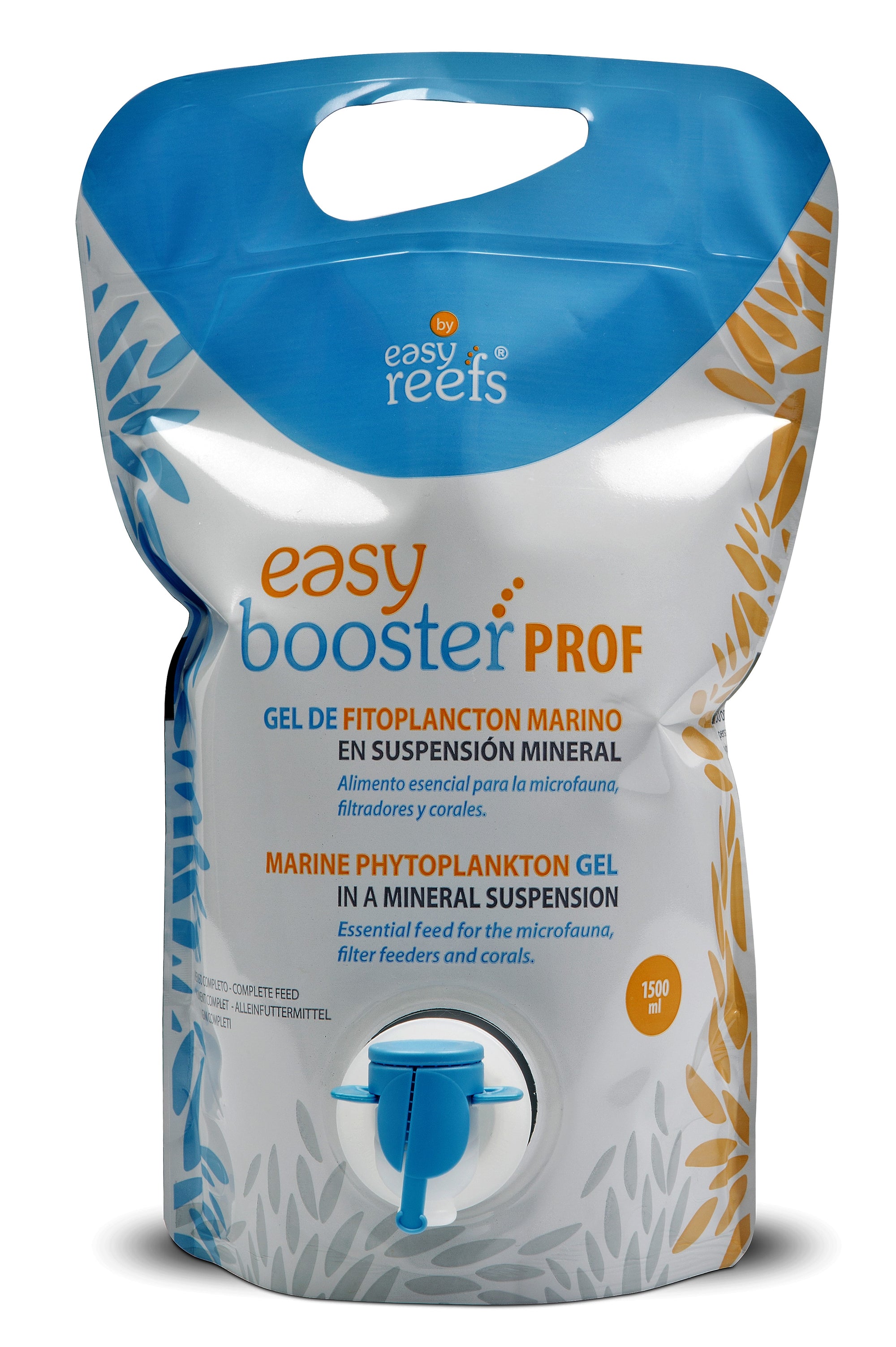
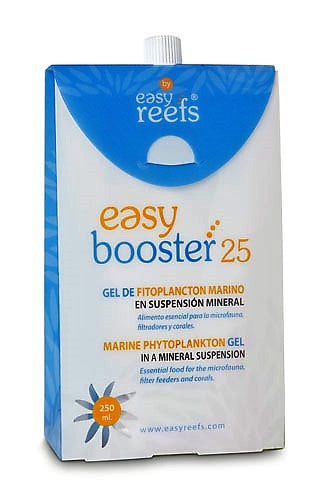
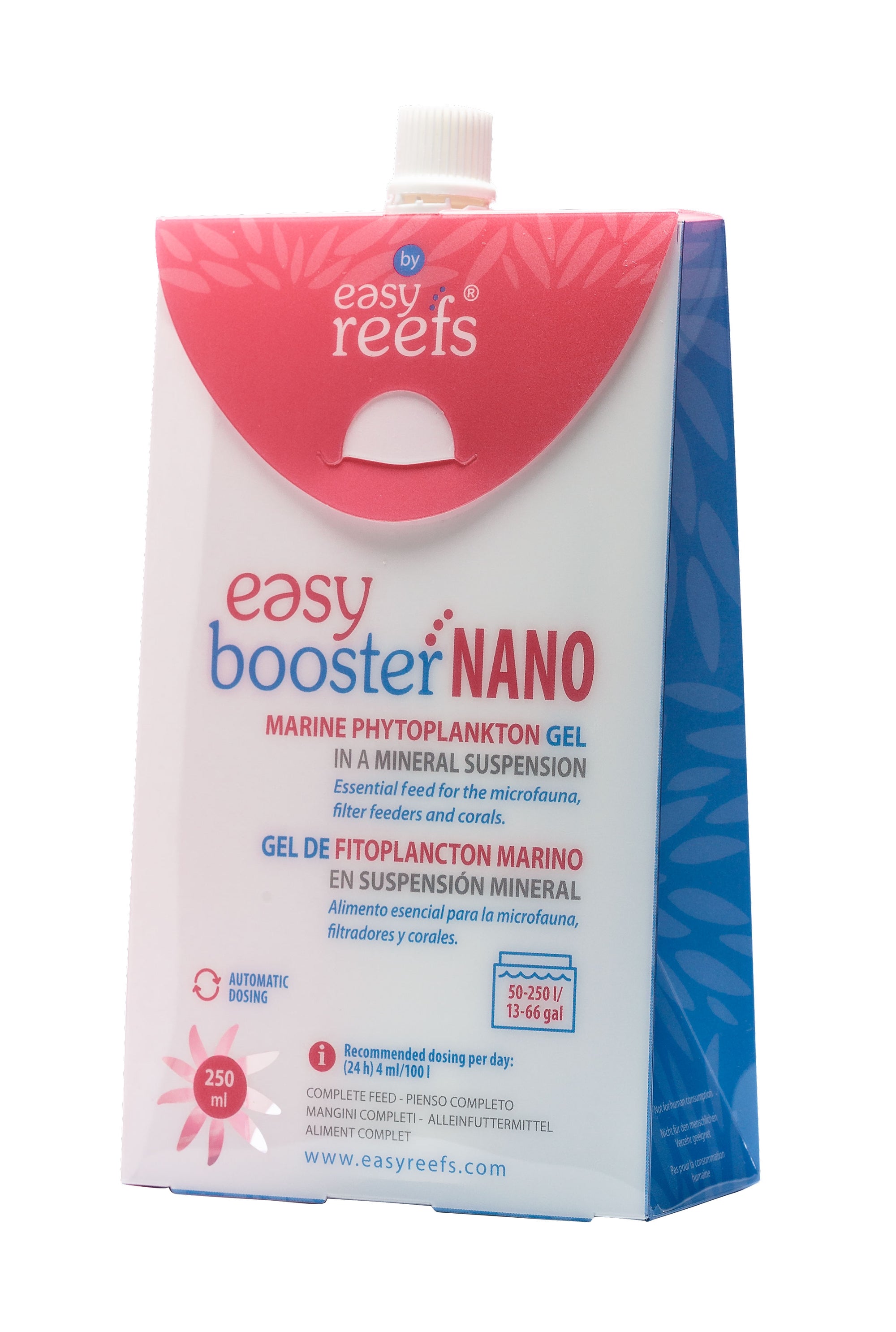
Some higher quality foods use smart packaging to prevent spoilage during use. Easy Reefs Easy Booster is a great example - "The expiration date does not change even if the package has been opened. The reason for this is that air is expelled from the bag as the product is being released, thereby preventing the oxidation of the phytoplankton."

Frozen food storage
Frozen foods are notoriously difficult to keep fresh. Unfortunately, it isn't uncommon for frozen foods to experience thawing in transit. If this happens, the food should be discarded. If food was previously thawed and re-frozen, it can be difficult to tell. The food might look discolored, for example, mysis turns brown when it goes bad. The food may also have bubbles in the blister packs, or flat packs will be thicker on one end, bent, or distorted instead of flat and uniform. The food might appear to be "freezer burnt." When in doubt, throw it out. Feeding fish frozen foods that have turned rancid can cause health problems and even nasty bacterial infections or illness.
More information and photos comparing "good" and "bad" mysis
It's also important to realize that your home freezer can not keep the food as cold as the industrial freezers where it's stored before sale. The expiration date is only applicable if the food is being stored in industrial freezers that maintain temps below ‐30 °C. Once you bring it home, use your frozen food promptly - ideally within 2 or 3 months. Don't store your frozen fish food on the door of your freezer, as it will be constantly exposed to room temperature and expediting its spoilage.
Highly Unsaturated Fatty Acids are necessary for marine fish diets; they can't live without HUFA. Unfortunately, as ages, these fatty acid chains break down and form shorter chain fatty acids - bad fats.
If you're a health food aficionado, you might be familiar with how the Omega fatty acids in Flax can break down when stored improperly or for too long. Flax is a common human health food because of its benefits - it promotes heart and joint health and reduces inflammation. However, if a person eats too much flax that has turned rancid, it can actually cause inflammation, and over time, health issues.
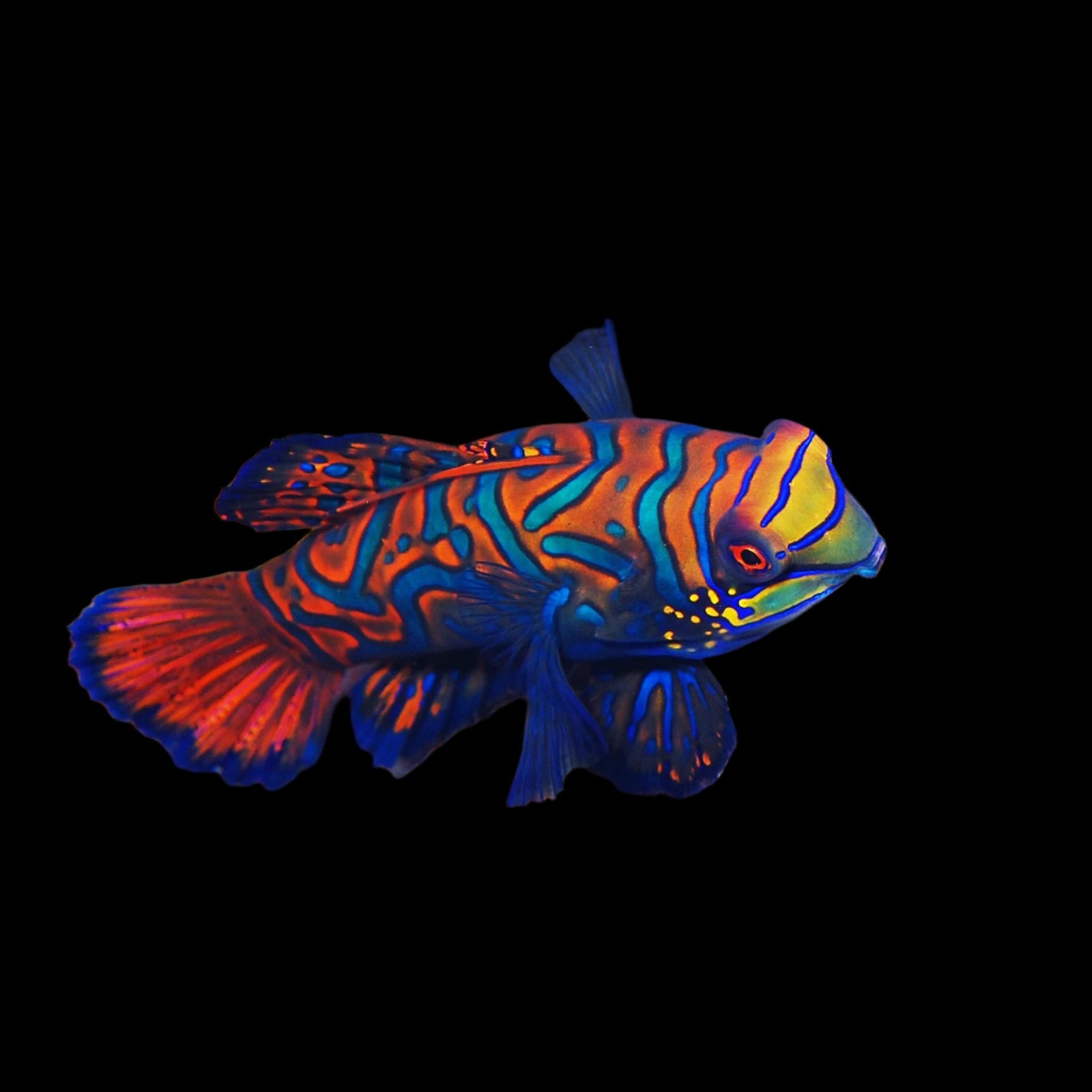
Food freshness is particularly important for species that primarily consume live food items in the wild like seahorses or mandarins. Species that regularly consume dead, decaying food items have gut associated lymphoid tissues that help protect them from bacterial infections, but live food eating fish like seahorses did not evolve to eat decaying matter and are more susceptible to infections caused by spoiled food.
Herbivore, Omnivore, Carnivore
You don't need to worry too much if your herbivorous fish is eating some meat, or if your carnivorous fish ate a few green pellets and didn't spit them out like it usually does. An herbivore's diet should be primarily vegetable matter, but a little protein is also necessary. In the wild, herbivores don't eat 100% vegan diets. They inevitably consume a small amount of animal protein naturally as they're grazing on algae that contains tiny crustaceans. Similarly, though a species is primarily carnivorous, if they eat herbivorous fish, they're consuming a small amount of vegetable matter in the digestive tract of their prey, and this is important for their health.
However, there are ways to make sure each fish species is getting the right balance of foods. Marine pellets are a good staple for all your fish, but it's a good plan to feed seaweed sheets or frozen herbivore preparations in the morning so your herbivores "fill up" on those foods that they need most. Carnivores tend to avoid vegetable matter, so you don't have to worry about them eating the seaweed. Once the herbivores have eaten their veggies, you can feed the carnivores their meaty foods. Finally, the last meals of the day can be high quality pellets like Easy Reefs DKI pellets.
Of course, you'll want to research and tailor your feeding schedule to each individual's needs. Very young fish may need to eat small meals 3 - 5 x a day. Some species with a fast metabolism like anthias and seahorses should eat 3 x a day even as adults. Sedentary species like ambush predators do not even neat to eat daily as adults.
Variety is the Spice of Life
It isn't healthy for humans to live on just one type of food. It's equally important to provide a variety of foods to your pet fish. Dry foods like pellets are a fine staple diet, but also provide occasional feedings of frozen foods or fresh foods. You can even promote the production of zooplankton, tiny animals like copepods and amphipods, in your aquarium by dosing Easy Reefs Easy Booster. With use over time, you'll have countless tiny fish snacks reproducing in your tank. These tiny crustaceans are exceptionally nutritious, and they also provide some hunting/enrichment exercise to help keep your pet fish from becoming bored.

@marmatoreef hand feeding Masstick as a bonding/enrichment exercise
Easy Reefs Masstick is another highly nutritious food that promotes grazing behavior and prevents boredom. Stick it to a wall, frag plug, or other surface in the tank, and watch your fish flock to the Masstick.
It's also easy to mix frozen foods, pellets or even vitamins, supplements, and medicines into Masstick. If you've ever tried to give your pet dog a pill before, you probably know that hiding the pill in a treat can help. You can use Masstick similarly.

credit @takeabreakhaveakitcat_
Dietary variety is especially important to sensitive omnivorous species like many angelfish. Some hobbyists have reported that difficult angelfish species sometimes experience sudden, unexplained deaths after years of living in captivity, and experts believe it could be related to diet, especially whey they're fed diets heavy in fatty mysis shrimp and low in sponge and vegetable matter that angelfish regularly consume in the wild.
Live Foods
What could be more fresh than living food? Hobbyists can also purchase live algae and live copepods for their fish as a snack or supplement to their diet. Our friends at Algae Barn have a wide variety of live algae and copepods for just about any fish species. You can use these live copepods to "seed" your tank, then feed with Easy Booster will promote their growth.

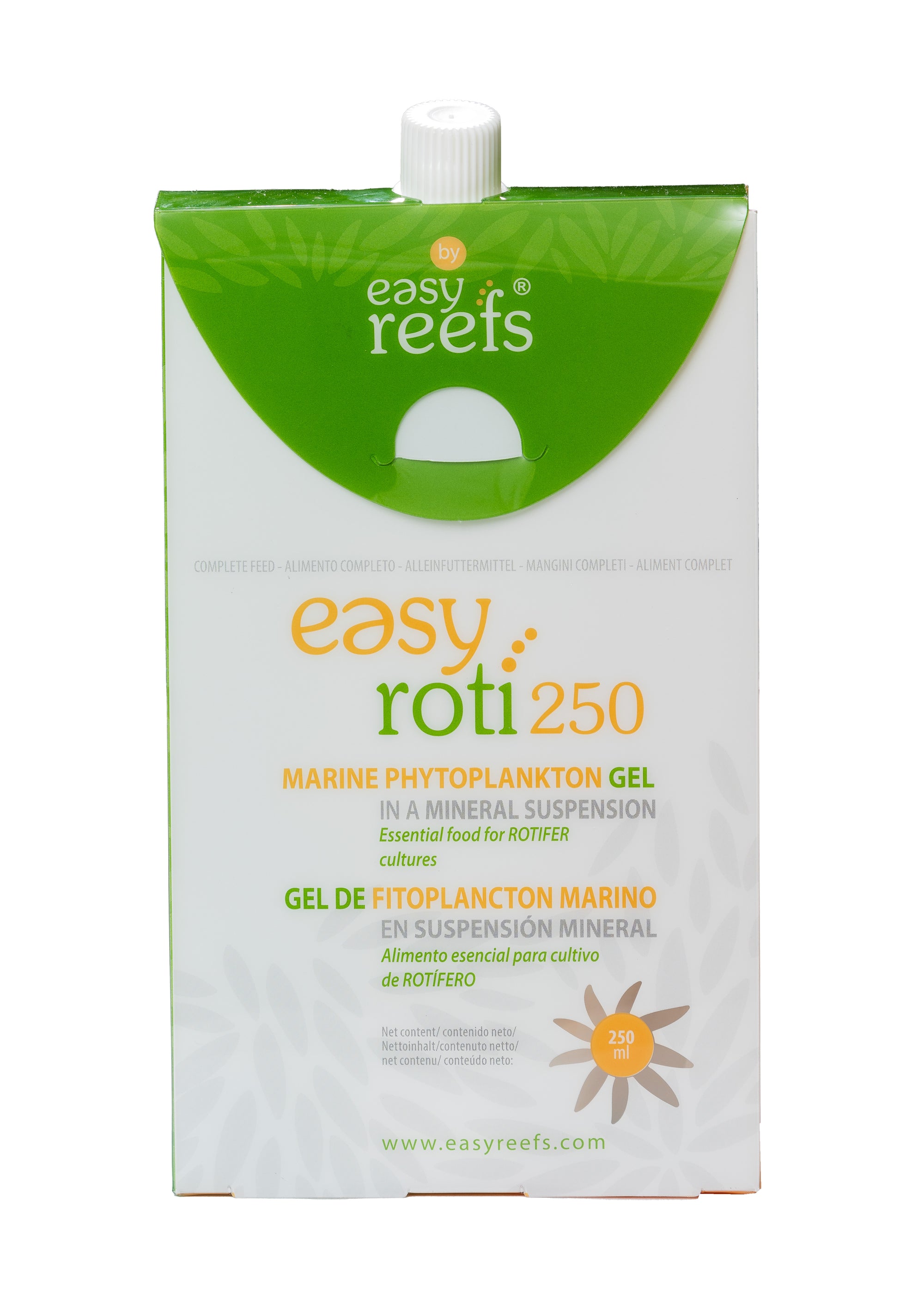
If you're feeding live shrimp, Artemia, or copepods to your fish keep in mind that these animals are only as nutritious as their last meal. That's why it's important to feed the feeder animal, or "gutload" the feeder with foods high in HUFA and vitamins before feeding it to your fish. Easy Reefs makes specific foods for growing Rotifers and Artemia which are high in HUFA.

Supplements and Vitamins
There are a number of marine aquarium fish vitamins and HUFA supplements on the market that you can mix into your fish food before feeding. Think of it like taking your own multivitamin and fish oil pills every day.

There are supplements which are known to be particularly helpful in maintaining the health and beauty of captive marine fish. Each of the new DKI Fish Care pellet line has unique properties to help fishkeepers properly condition and and maintain their aquatic pets. These supplemented foods are in a convenient, palatable pellet so you won't have to fuss with soaking your foods liquids, powders, or oils that end up in the water column instead of in your fish.
Easy Reefs DKI oleuropein phenol "stands out to fight fish diseases, so it is a great ally when we add a new fish to the aquarium, even more so if they are of wild origin." In short, oleuropein has anit-inflammatory and antioxidant properties and has also been shown to help protect fish against both viral and bacterial infections while promoting immune response.
For reference, olive oil contains Oleuropein, and we all know how olive oil is a healthy part of the Mediterranean diet where people commonly live extremely long lives. According to nih.gov, "Oleuropein and its metabolite, hydroxytyrosol, have powerful antioxidant activity, which might be responsible for some of olive oil's antioxidant, anti-inflammatory, and disease-fighting activities. Oleuropein is best known for its blood pressure-lowering effect."
Easy Reefs DKI Beta glucan "stands out for its ability to activate the fish's immune system, following the same story as the new fish, we could use it the weeks before the new fish arrive, so that our current aquarium inhabitants aren't negatively affected by the stress that this generates.
The second property that stands out the most is that of enhancing the brightness and the white, blue, violet colors. If you have the possibility of following up for two or three weeks you will be able to appreciate the difference in a picture."
Beta Glucan is also a popular human supplement used for enhancing immune response. Nih.gov says, "These substances increase host immune defense by activating complement system, enhancing macrophages and natural killer cell function."
The use of Beta Glucan in the aquarium hobby as an immune booster during the acclimation period or illness is well documented, and thanks to Easy Reefs, we now have it in a convenient, easy to use pellet food form.
Easy Reefs DKI β-carotene "has two properties to highlight, one as a powerful antioxidant and the other enhancing orange, yellow, red colors."
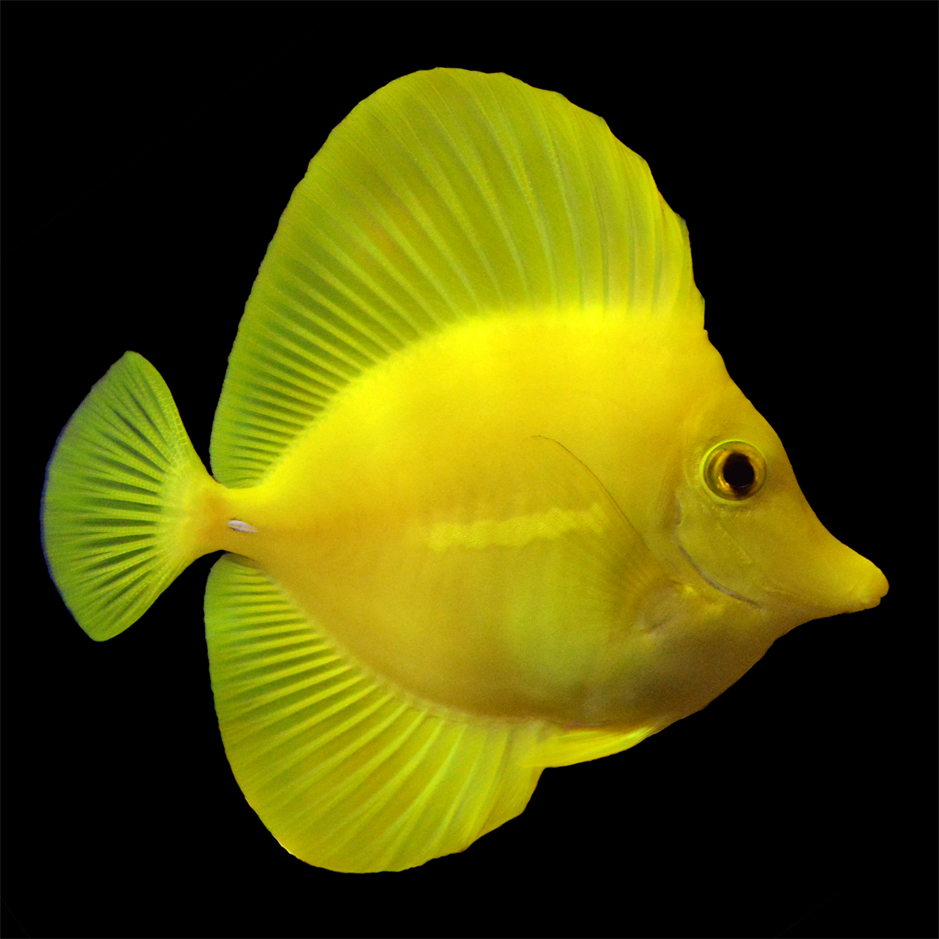
This one is a must-have for yellow tangs!
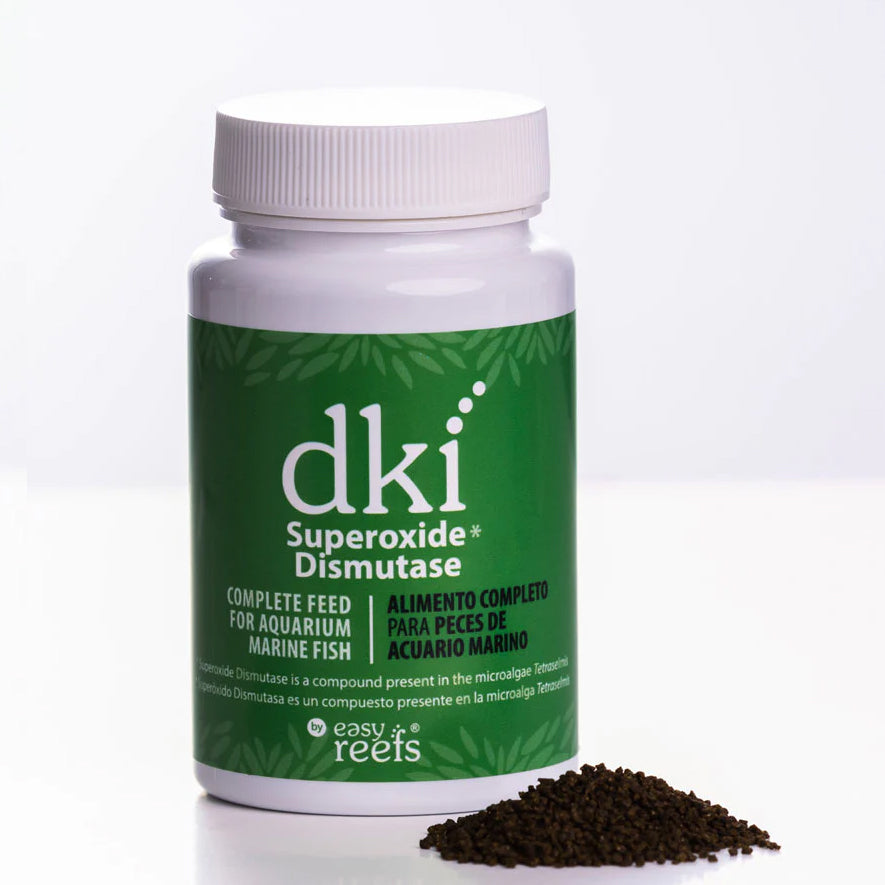
Easy Reefs DKI Superoxide Dismutase "helps to reduce oxidative stress, helps cell regeneration, and acts as a preventative of some diseases."
I think we all know how important antioxidants are in our own diets, and how they can help us live longer, healthier lives. This is equally important for your pet fish.
DKI Fish Care Line Feeding instructions:
As a maintenance dose, we recommend mixing a teaspoon of each of the 4 new DKI Fish Care with original DKI Marine pellets and feed daily with that mixture. For large fish we are recommending to mix with the masstick.
Technical information and some scientific bibliography references:
http://easyreefs.com/DKI-fish-care.html
We use and recommend Easy Reefs foods.
Ingredients Matter!!👨🔬
✔ Only Marine Raw Materials
✔ All ingredients aquacultured by Easy Reefs
✔ 100% Natural
✔ 100% Sustainable
✔ 100% Made in house nothing added
✔ Ready to use
✔ Nutritionally complete
✔ Environmentally friendly
❌ No wild fishmeal used!
❌ No land based ingredients or plants!
❌ No chemical additives, stimulants or stabilisers!
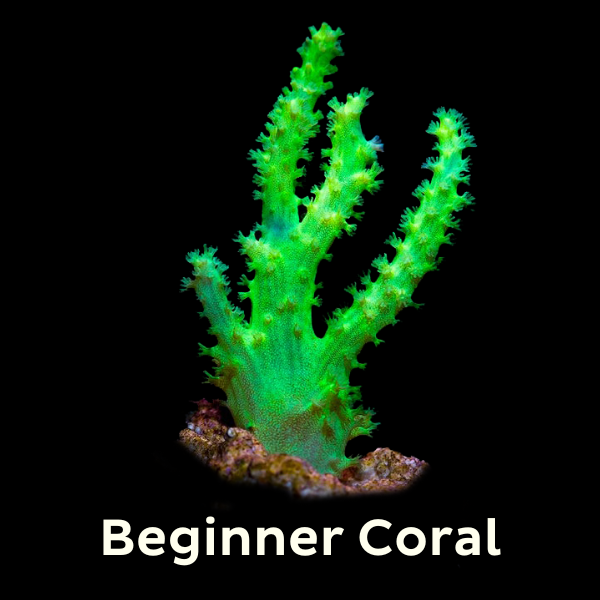
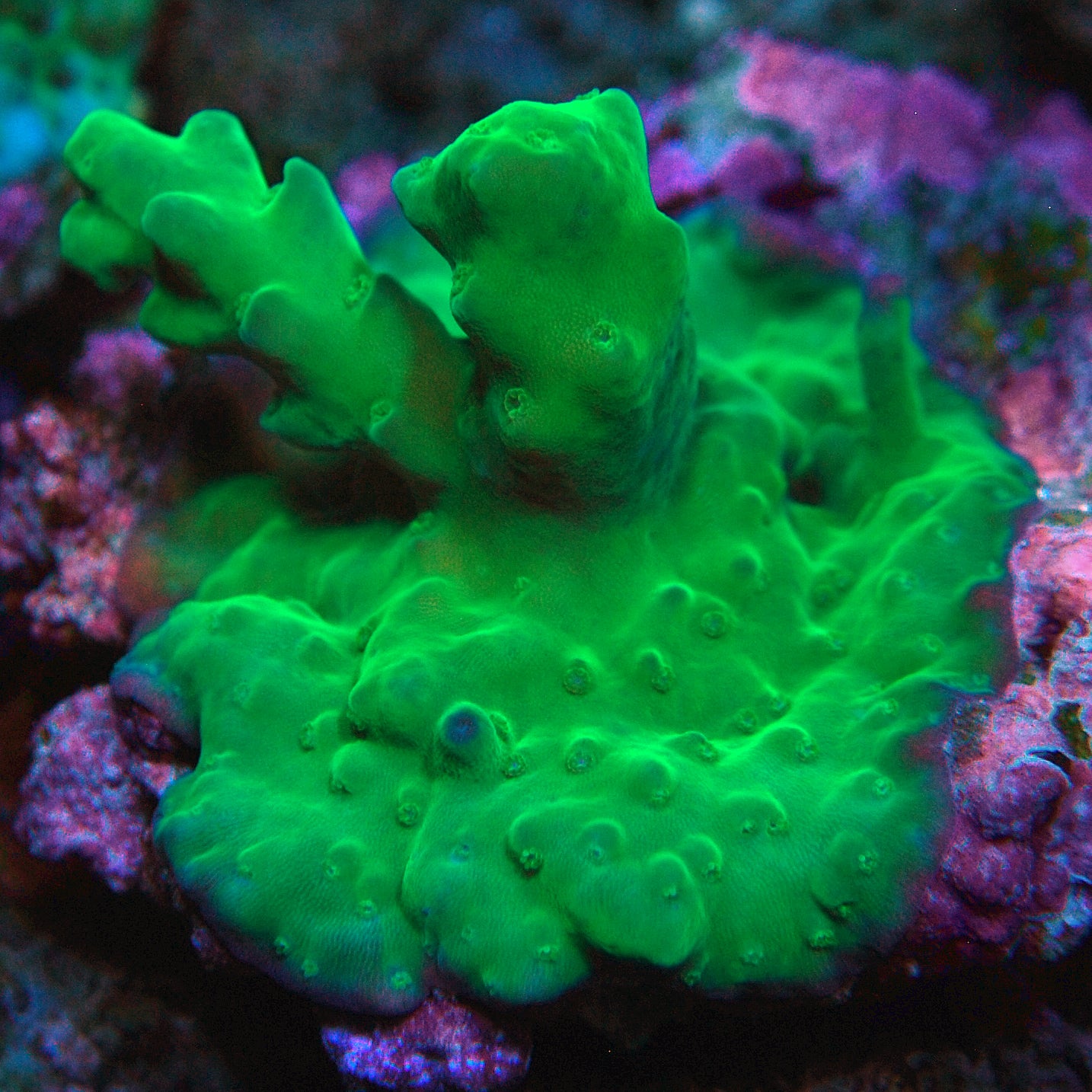
When setting up a home reef aquarium, finding corals that are easy to care for, visually stunning, and adaptable can be challenging. Biota Palau cultures some of the most popular choices among aquarists, both novice and experienced - the Sinularia genus, a group of soft corals known for their beauty, dynamic movement, resilience, fast growth, and manageability. Sinularia's affordability and durability makes it one of the best first corals for beginners or new reef tanks.

Why Sinularia is Ideal for Your Aquarium
1. Hardy and Beginner-Friendly
One of the standout features of Sinularia is its resilience. These soft corals are highly adaptable to a wide range of water conditions, making them an ideal choice for those new to reef keeping. Even if you're still learning the ropes of maintaining water chemistry, lighting, and flow, Sinularia can thrive in your tank. While many corals require precise environmental parameters, Sinularia can tolerate small fluctuations in water chemistry.
2. Fast-Growing but Easy to Manage
If you're looking for a coral that grows quickly without overwhelming your tank, Sinularia is a perfect fit. Unlike other fast-growing soft corals like Xenia or green star polyp which can take over your aquarium, Sinularia grow from a stalk instead of spreading on surfaces in your tank. It responds well to pruning and propagation, meaning you can trim back your coral if it starts to spread, and even grow new colonies from those trimmings to trade with your friends.

Sinularia can grow very large and make impressive centerpieces in a reef
3. Stunning Movement and Appearance
In addition to their hardiness, Sinularia corals are renowned for their aesthetic appeal. With long, flowing finger-like lobes, these corals create beautiful, swaying motions in the water current, mimicking the natural rhythms of ocean tides. Their soft, leathery texture contrasts with the rigid structure of hard corals, offering visual variety to your tank.
The colors of Sinularia can range from cream, tan, and pink to mint green and neon green, depending on the species/variety and environmental factors. The way they reflect light and sway in the water makes them a captivating centerpiece for any aquarium.
4. Self-Sustaining Symbiosis
Like many other corals, Sinularia have a symbiotic relationship with zooxanthellae, microscopic algae living within their tissues. These algae perform photosynthesis, providing nutrients to the coral. This means you won’t have to feed Sinularia as frequently as you would some other coral species. With the right lighting, the coral’s symbiotic algae will take care of most of its nutritional needs.

Care in the Home Reef Aquarium
Sinularia corals are hardy and adaptable to a wide range of water conditions. However, for optimal health, aim for the following water parameters:
Temperature: 74°F - 78°F
Salinity: 1.023 - 1.025
pH: 8.1 - 8.4
Alkalinity: 8-12 dKH
Regular water changes and monitoring are key to keeping your coral vibrant and healthy. Though Sinularia can handle some fluctuation in water quality, stable conditions promote better growth and color.
Lighting Requirements
Sinularia corals primarily rely on their symbiotic zooxanthellae for nutrition, which means they need adequate lighting for photosynthesis. Moderate to high lighting is ideal, but Sinularia can adapt to lower light conditions as well. LED lights, metal halide, or T5 lights for reef tanks work well for Sinularia, but be sure to properly acclimate your coral to new lighting to prevent bleaching.
Water Flow
Moderate water flow is essential for Sinularia corals. Proper flow helps keep the coral clean by preventing detritus from settling on its surface and ensures adequate nutrient exchange. Avoid direct, high-intensity jet currents that will prevent the coral from opening. Wavemakers and Gyres are great tools for creating proper water currents in the reef aquarium.
Feeding
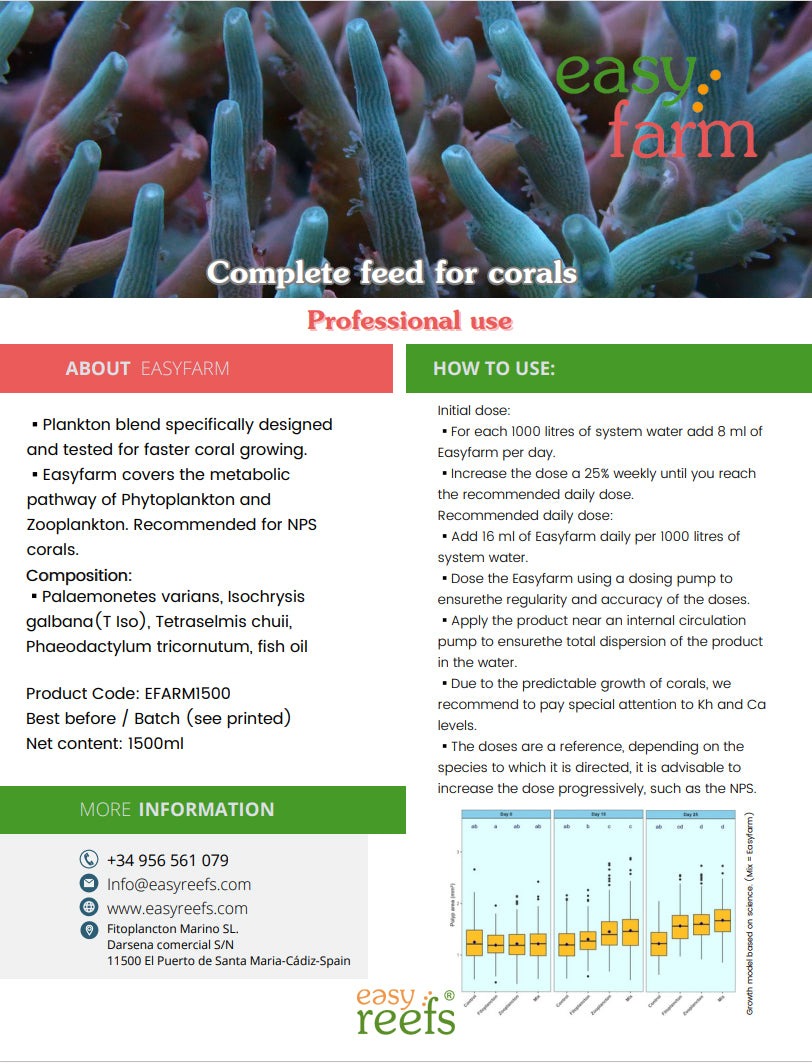
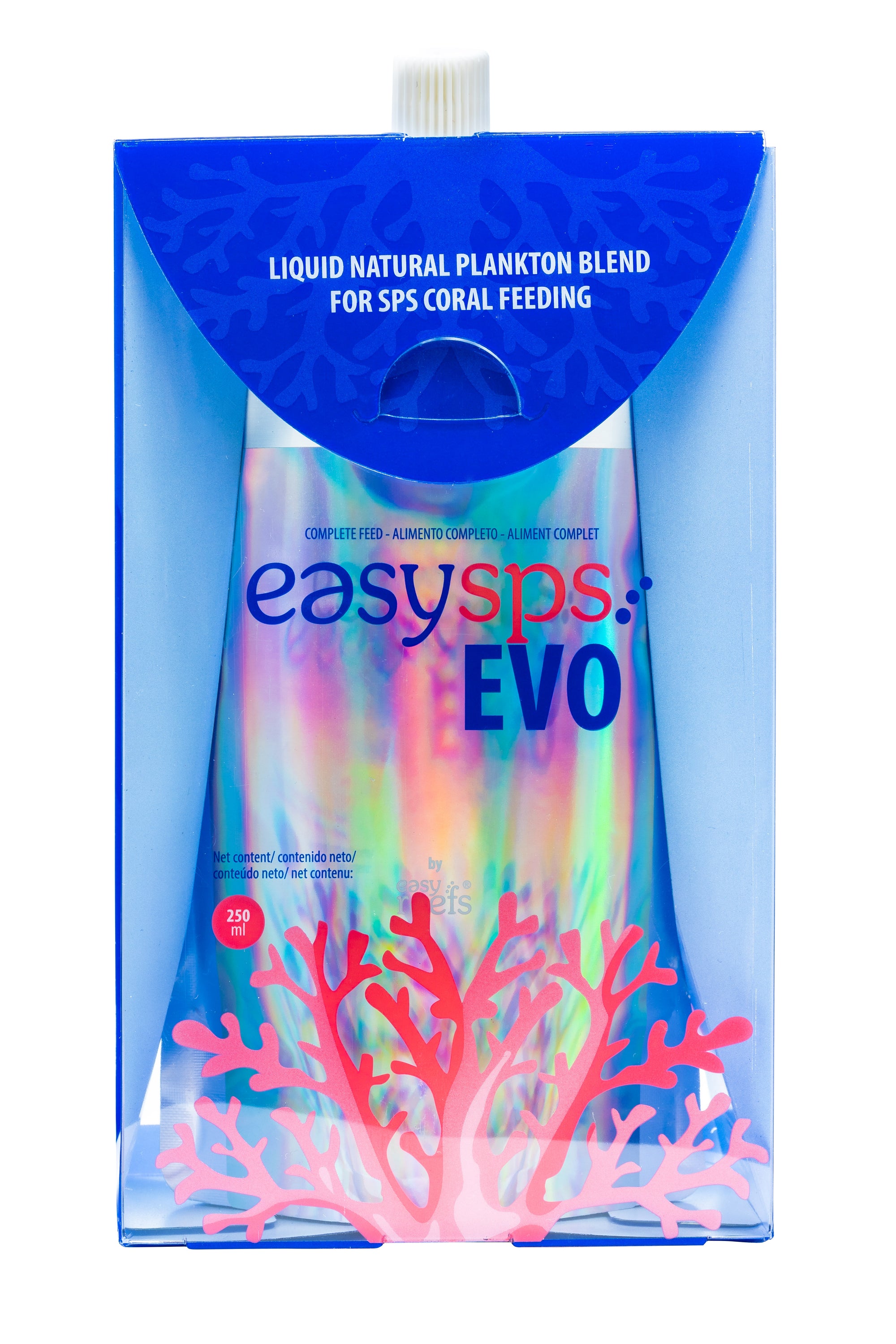
While Sinularia corals get most of their nutrients through photosynthesis, they can also benefit from occasional supplemental feedings. Offer planktonic foods like Easy Reefs Easy Booster and Easy SPS Evo. This is especially useful in low-light setups where the coral might not be getting enough energy from photosynthesis alone.
Shedding
Don't be alarmed if you see your Sinularia close and shrink suddenly for an extended period of time, up to 2 weeks. Sinularia corals sometimes shed a waxy outer layer of skin as a natural process to remove built-up debris, algae, or other irritants. This shedding helps the coral stay clean and healthy, allowing it to maintain optimal photosynthesis and nutrient absorption. During this process, the coral may temporarily appear dull or less vibrant, and may even have some algae growing on it, but once the shedding is complete, it regains its full color and vibrancy. Make sure adequate water flow surrounds the coral to help the shedding process, which is a normal behavior and isn't an indication that the coral is unhealthy.

a Biota Radial filefish makes a home in @shakerbreakersreef Biota Sinularia
Species and Varieties
There are 38 different species of Sinularia in Palau alone! Biota Palau cultures some of the most beautiful and sought after varieties.

Biota Palau Alien Hands Sinularia aka "Neon Green Nephthea"
This variety is arguably one of the most important, iconic, and brightly colored aquarium corals in the world. Not only does it possess all the best qualities of the hardy Sinularia, making it great for beginners, but its bright neon coloration is second to none, which endears it to seasoned coral collectors, as well. Its extreme coloration is present even in daylight, but under actinic lighting, this coral fluoresces like no other coral. If you keep this variety in your home aquarium, it's often the first thing visitors will notice due to its intense coloration.
In the early 2000s, this species was called "Neon Green Nephthea," but it is actually a species of Sinularia. Eric Borneman explained in "Mythical Rare Green Tree" that a devastating bleaching event at the main collection site in Palau in the early 2000s led to the rumor that the coral was extinct in the wild, which made it difficult to source and even more popular. The "Neon Green Nephthea" was believed to only exist in the "ark" of captivity. This inspired aquarists to make it one of the most widely propagated and distributed corals among home reefs. Thankfully, this variety has made a good recovery in Palau, and Biota Palau has been offering fully cultured specimens for many years. We choose only the brightest, most fluorescent specimens for this variety.


Biota Palau Fuzzy Fat Finger Sinularia
The Biota Fuzzy Fat Finger Sinularia has a more subtle coloration - some are cream, almost white, and some are a softer green, giving a nice contrast to the saturated colors of other corals in our tanks. Instead of the thin, spaghetti like lobes of the Alien Hands Sinularia, The Fuzzy Fat Finger Sinularia has thicker, stubbier lobes with many compact, fuzzy polyps, giving it a softer appearance. Biota customers call this coral "completely bulletproof," so it makes an excellent choice for beginning aquarists.


The Cabbage Leather Coral (Sinularia brassica) is an incredibly hardy and attractive coral. Instead of growing fingers like other Sinularia, the Cabbage Coral grows thick, ruffled, cabbage-like "leaves" which adds unique texture and visual appeal to aquariums.

Compatibility
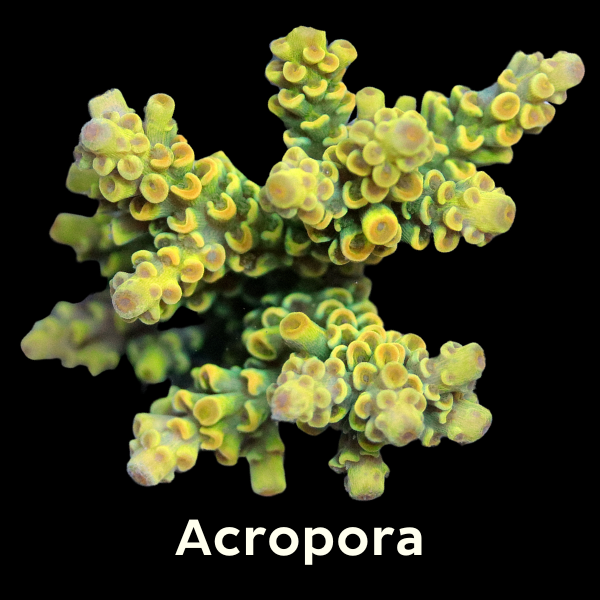
Sinularia corals contain a toxin that slows the growth of more sensitive SPS corals like Acropora. To prevent this, provide plenty of space between Sinularia and Acropora, and employ chemical media in the filtration, such as a media reactor, to help alleviate allelopathy.
Taxonomy and Identification:
With DNA technology, marine taxonomists have made strides in better understanding the genetic relationships between coral species. One significant update involves the reclassification of several species traditionally categorized under Sinularia into the genus Sclerophytum in 2022 (1.). This shift was driven by deeper genetic analysis, which revealed distinct differences between certain species of soft corals that had previously been lumped together.
In the early 2000s, many reef aquarists referred to Sinularia finger leather corals as Nephthea, a soft coral genus that shares certain visual similarities with Sinularia. However, this naming was incorrect, and today, hobbyists and marine professionals have a better understanding of the distinction between these two genera.

a true Nephthea
Though both Sinularia and Nephthea are soft corals from the family Alcyoniidae, they have distinct differences in morphology and behavior. Here’s how you can tell which coral is which:
1. Colony Structure and Shape
The most noticeable difference between Sinularia and Nephthea lies in the structure of their colonies. Sinularia species typically have thicker, more robust branches, often resembling a leathery tree or bush. These branches tend to be broader and sturdier, giving the coral a more substantial appearance.
In contrast, Nephthea corals have much finer, more delicate branches. Their structure is often described as feathery or fuzzy due to the thinness of the branches and the density of polyps. The polyps are closer together, giving Nephthea a more intricate and textured look, while Sinularia’s polyps are more spaced out, contributing to its smoother appearance.
2. Polyp Size and Behavior
The polyps of Sinularia are typically smaller and more retractable, giving the coral a cleaner, smoother look when the polyps are withdrawn. You might notice that Sinularia polyps often remain retracted during changes in lighting or flow, making the coral appear as though it has a leather-like surface.
Nephthea, on the other hand, tends to have larger, more prominent polyps that give it a more "fluffy" or textured appearance. Even when retracted, Nephthea polyps don’t fully disappear into the coral’s surface, making it look more tactile and busy compared to the smoother look of Sinularia.
3. Flexibility and Movement
While both corals sway gracefully in the current, Nephthea corals are more flexible due to their thinner branches. This allows them to move more fluidly in the water. Sinularia corals, with their thicker branches, are still responsive to water flow but tend to exhibit a sturdier, more controlled movement.
4. Texture and Sclerites
Another key difference is in the internal structure of the corals. Both Sinularia and Nephthea possess sclerites—small, calcareous spicules that give their tissues structure. However, Sinularia has more prominent, firmer sclerites, which give its branches a slightly stiffer texture compared to the softer, more pliable feel of Nephthea. Nephthea has an overall slimy, softer feel than the leathery texture of Sinularia. The base of Sinularia is packed with these hard sclerites, which feel hard, rough, and sometimes sharp when the base is handled.
For home aquarists, knowing the difference between Sinularia and Nephthea is more than just a matter of correct identification. Sinularia’s hardier, more robust nature makes it better suited for beginners, while the more delicate Nephthea require more precise water conditions, stronger water flow, and stronger lighting.
For aquarists looking to enhance their home reef tanks with hardy, fast-growing, and visually appealing soft corals, Sinularia from The Biota Group are an excellent choice. With their graceful movements, easy-care requirements, and controlled growth, Sinularia corals provide all the benefits of a dynamic coral without the risks of overgrowth like other fast-growing species.

ref: 1. McFadden, C.S.; van Ofwegen, L.P.; Quattrini, A.M. (2022). Revisionary systematics of Octocorallia (Cnidaria: Anthozoa) guided by phylogenomics. Bulletin of the Society of Systematic Biologists. 1(3), 8735, pp. 1-79., available online at https://ssbbulletin.org/index.php/bssb/article/view/8735
page(s): 45 [details]