$120.00

 from
$84.00 USD
$145.00 USD
from
$84.00 USD
$145.00 USD


 Sold Out





The Biota Custom Micro 40 oz Reef-Ready Tank: A Reefer's Tiny Paradise
In the world of reef aquariums, bigger doesn’t always mean better. The growing popularity of nano and pico tanks has shown that small can be stunning, and micro aquariums are the new frontier for both beginners and experienced reef enthusiasts. The Biota Custom Micro Reef-Ready Tank made by PNW Customs is a 40-ounce desktop aquarium that is as functional as it is visually appealing. Because it’s reef-ready, it comes equipped with features that make maintaining it easy, even in such a small volume.

At just 40 ounces, the Biota Custom Micro Reef-Ready Tank is about as compact as it gets. These tiny tanks will fit nicely on just about any surface - your work desk, kitchen countertop, living room end table, college dorm, bookshelf, nightstand, or child’s bedroom; the possibilities are endless. Whether you already have a larger reef and want to keep a tiny pet on your desk; or you're new to reefing and want to start small, this tank is perfect for you.
Not too long ago, keeping a pico saltwater aquarium was considered to be very difficult, and beginners were advised to go for the biggest tank they could find. But times have changed. Advances in aquarium equipment and husbandry have made modern pico tanks much easier to maintain - in a lot of ways, even easier than large aquariums.
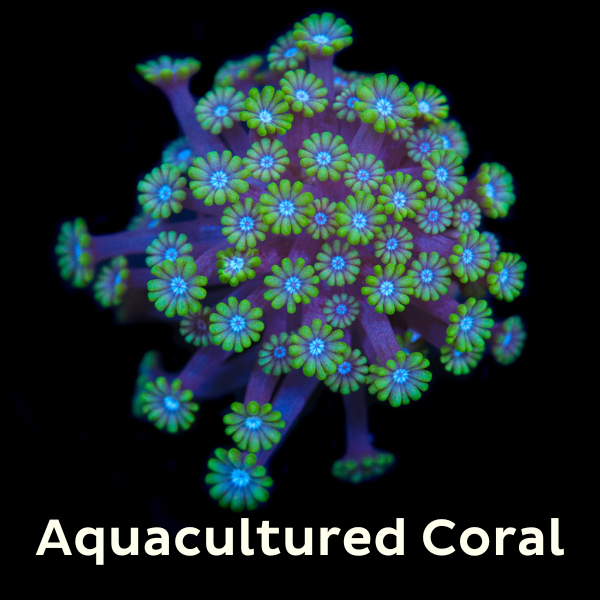
Advances in aquaculture have also changed the livestock available to hobbyists. Biota’s captive-bred fish are more manageable than their wild counterparts because they’re already accustomed to eating prepared foods like small pellets. Plus, since some nano fish have shorter lifespans, choosing captive-bred fish ensures you’re getting a young pet that will live out its entire lifespan with you. Cultured corals that have been grown in captivity over generations are also better accustomed to aquarium life than wild corals.

What really brings a micro tank to life are the pets inside. Its compact size doesn’t mean sacrificing the beauty of a larger reef tank. In a tank this size, you’ll want to focus on smaller species that don't need much swimming space. Biota has many nano sized pets that fit perfectly in this micro system.
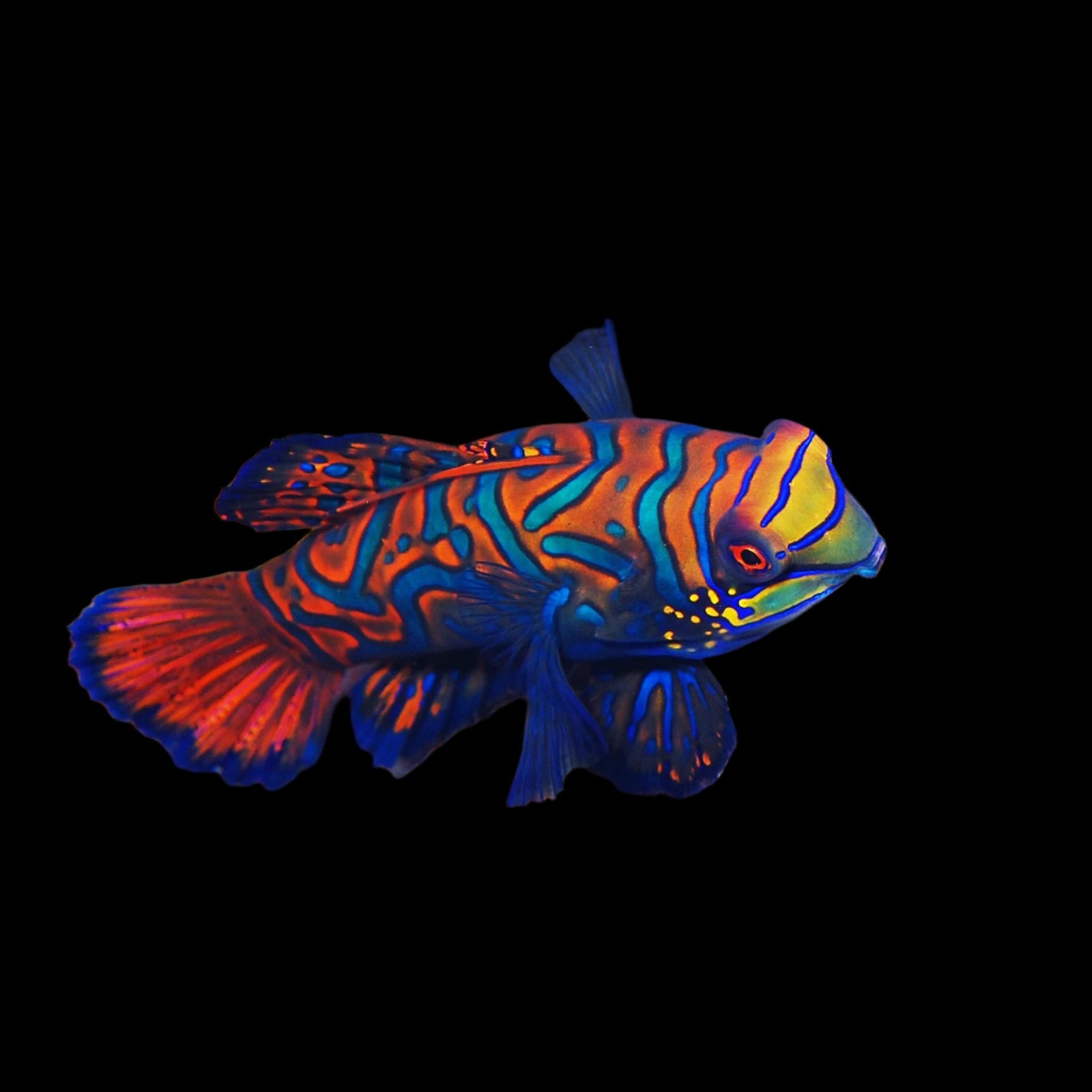
Captive-Bred Goby Fish for Micro Reefs

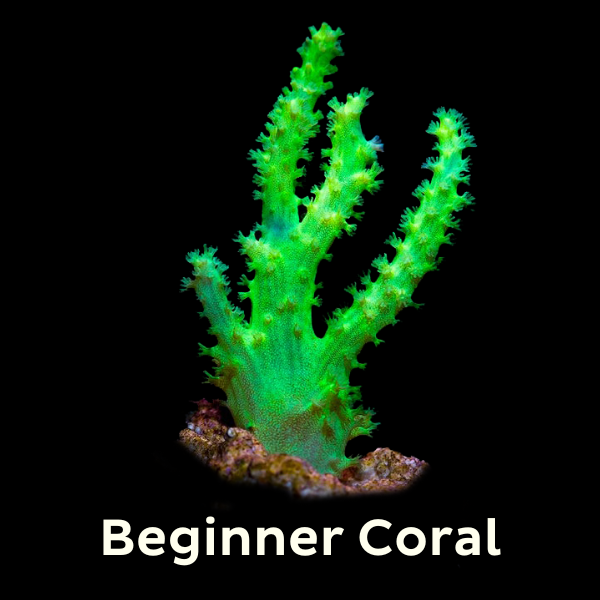
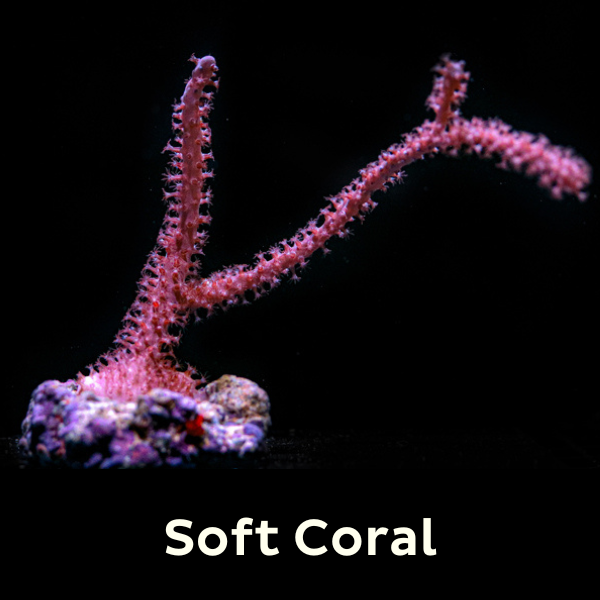
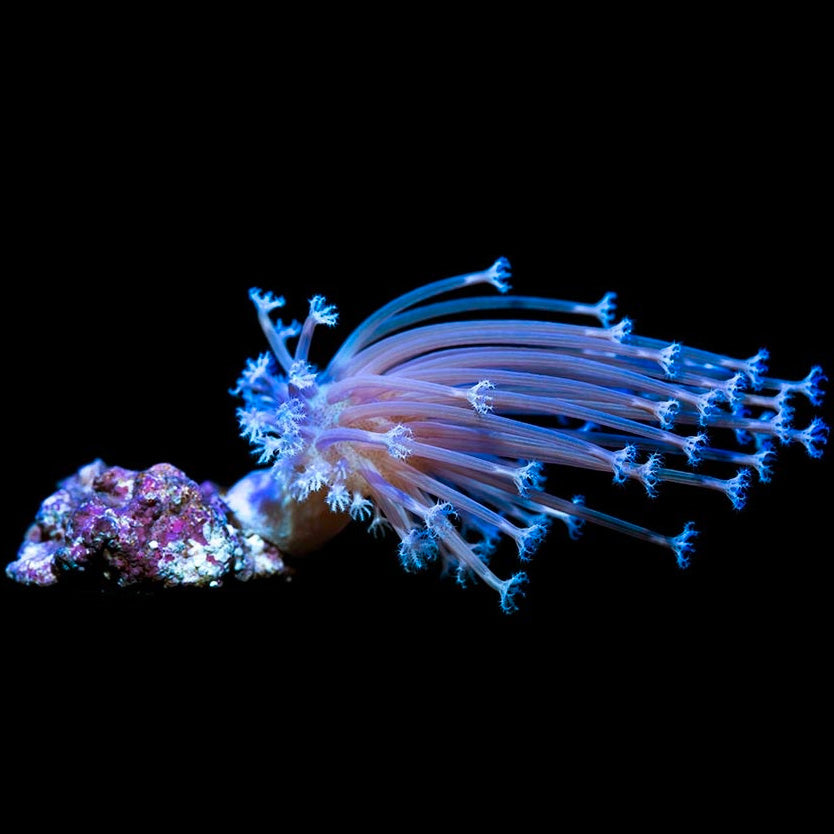
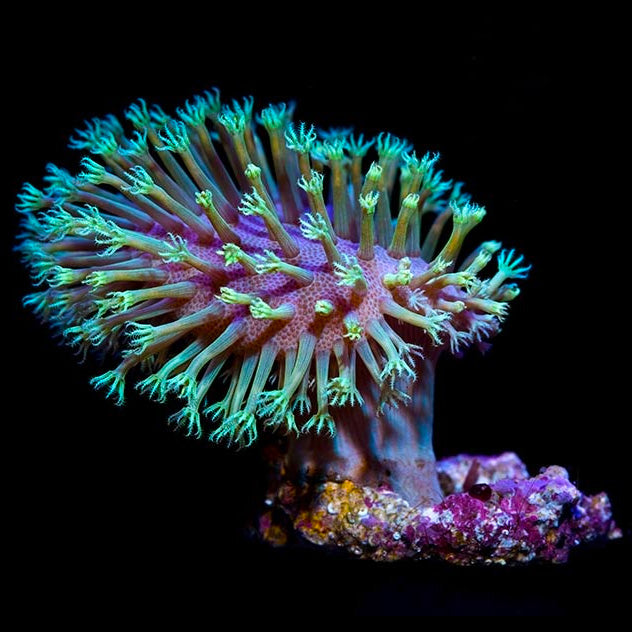
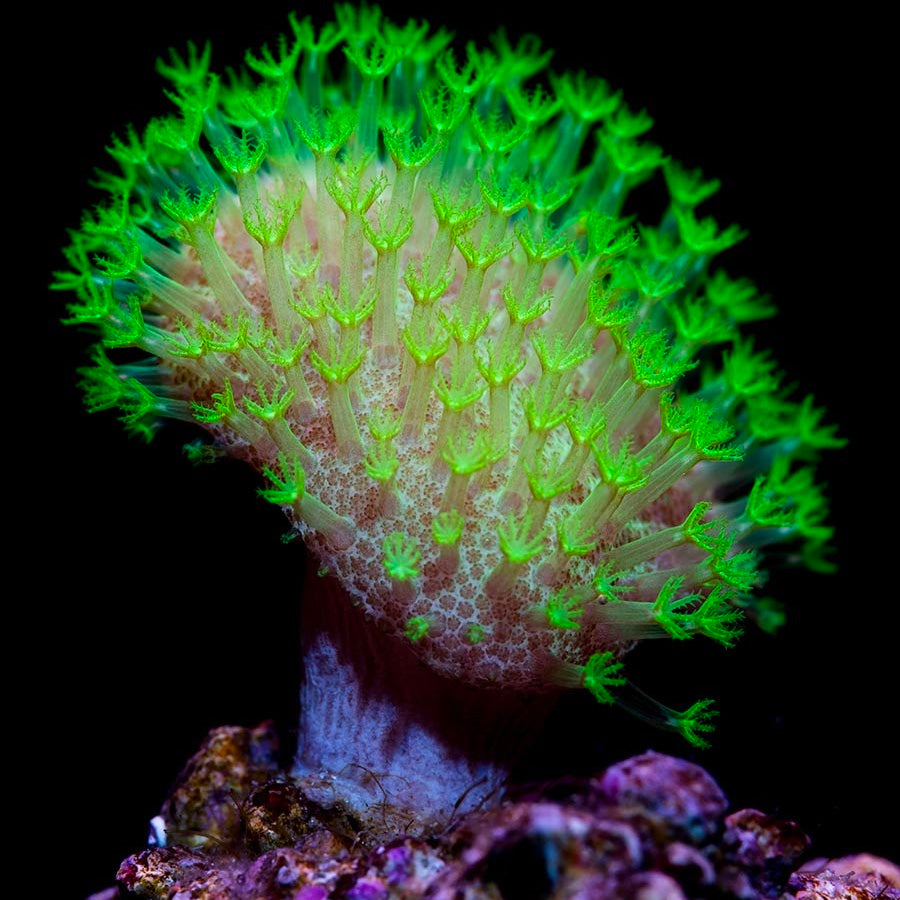
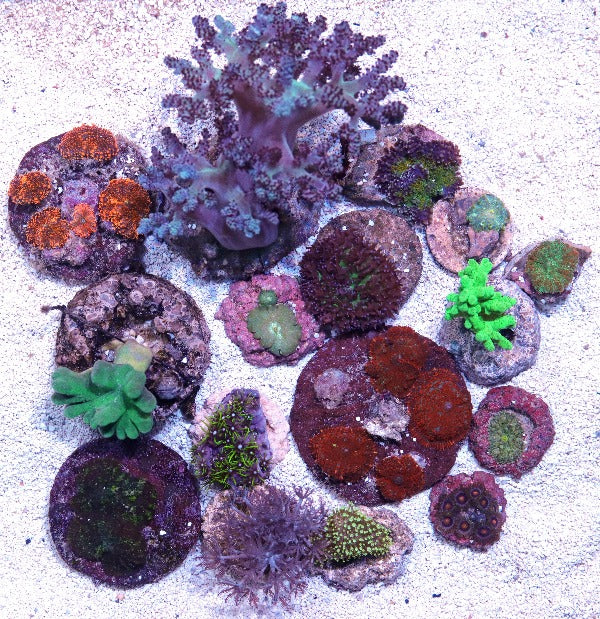
Soft corals are perfect for micro aquariums because they’re generally easier to care for than stony corals, and they don’t require as much light or calcium. At shop.thebiotagroup.com, you’ll find a great selection of soft corals that come from exotic locations like Palau and Panama.


Clean-up-crew and Invertebrates

No Heavy Lifting
Micro tanks, while requiring more frequent water changes to maintain stability, are much easier to maintain in terms of effort. The reduced size means each water change can be done quickly and with less water compared to larger aquariums.
The micro tank is a perfect way to learn the ropes of reef aquariums without the commitment of larger tanks.
Budget Friendly
Micro are much more affordable than large aquariums because they don't require the expensive, powerful equipment that big tanks do. In a small tank, you can easily "reset" water parameters by doing quick and simple water changes, which eliminates the need for complex filtration systems, protein skimmers, and strong wavemakers. Since you’re dealing with a smaller water volume, maintaining stable conditions is easier and less costly, while larger tanks need heavy-duty equipment to manage water quality on a larger scale.
While larger tanks require large vats for storing and making new saltwater, you can use small, easily storable storage jugs for a micro tank. Instead of buying a large RO/DI unit, you can buy 1 gallon jugs of RO water from your grocery store for top off water and mixing saltwater.
Even with frequent water changes, your reef salt budget will be much smaller with a micro tank than with a larger tank. Since your reef salt contains all the elements needed to grow coral, a water change "reset" is all that is needed to replenish elements, saving you money on costly supplements.

While micro aquariums offer a ton of benefits—like lower cost, easier maintenance, and space efficiency—they also come with their own unique challenges. Many hobbyists worry that keeping such a small tank might be more difficult than managing a larger aquarium. However, with the right strategies, micro tanks can be less work than larger tanks and just as successful and rewarding.
One of the biggest concerns with micro aquariums is maintaining stable water parameters. Due to the small volume of water, changes in temperature, salinity, or pH can happen quickly.
First and foremost, it's imperative to monitor the salinity and "top off" daily with RO water. In such a small volume, evaporation can quickly raise the salinity to dangerous levels.
Small, frequent water changes are key to maintaining stability in a micro tank. You'll want to change the water more often when the tank is newly set up and still maturing. It takes less than a minute to perform a small water change on this tiny tank with a turkey baster.
Make your new saltwater according to the salt manufacturer's instructions and keep it circulating with a small pump or airstone and a heater if needed. Make sure your new saltwater is the same temperature as your tank. Always aim for water parameters as close to natural seawater as you can.
Feed your fish and corals in small amounts. Overfeeding can quickly lead to water quality issues in such a small volume of water. It's a good idea to feed larger meals to corals and fish up to an hour before a water change. Be sure to use a turkey baster to remove any uneaten food after each feeding.

How to set up the Biota Custom 40 ounce Micro Tank
This plug and play kit includes all the equipment you need to get started. (Most Micro tank keepers don't require a heater, since the small pump keeps the water warm.)
Features
In addition to small, frequent water changes, regularly test water for pH, salinity, ammonia, nitrite, and nitrate levels.
Change the Chemi-Pure pouch in your sump filter often to help reduce pollutants and maintain crystal clear water.
Inspect your pump, sump, pipes, and lights regularly to ensure they’re clean functioning properly.
By following these simple steps, your PNW Custom 40-ounce micro aquarium will thrive, giving you a beautiful, low-maintenance micro slice of the ocean for years to come.
Seahorses are some of the most fascinating and unique marine animals on the planet. They make wonderful pets and can even become quite tame. Many recognize their owners, interact in ways other fish can’t, and may even eat from your hand or hitch onto your fingers. Some will greet you each morning with a little dance of their own.
Caring for seahorses isn’t necessarily harder than reefkeeping, it’s just different. If you’ve kept reef aquariums before, you’ll need to adjust your approach and follow seahorse-specific rules.
All seahorse experts discourage new hobbyists from purchasing wild-caught or net pen–raised (maricultured) seahorses. While they may seem less expensive upfront, they often carry harmful pathogens, resist common treatments, and rarely survive long-term. Most refuse frozen food and are already stressed, starved, and weakened before reaching the store. Even if they eat frozen foods, they are usually “ticking time bombs” carrying disease.
Captive-bred seahorses, on the other hand, are raised on prepared diets and are much hardier. Reputable breeders raise strong, healthy animals using clean seawater or high-quality salt mix. If you find seahorses at your local fish store, but the store can’t tell you who bred the seahorses, it’s safest to pass on them.

Choose active, well-fed animals. Healthy seahorses should have rounded bellies. Sunken sides often signal starvation, malnutrition, or parasites.
Watch them eat if you can. A healthy seahorse aims accurately and doesn’t miss or struggle when sucking in food.
Check appearance. Clear eyes and smooth skin are good signs. Some seahorses naturally have a bit of fuzzy algae or Cyanobacteria on their bodies, which is normal.

this seahorse is too thin and weak for transport
Captive-bred seahorses, especially H. erectus, are surprisingly hardy when provided with the right care. They’re also more tolerant of handling than many fish, since their bodies are adapted to grasping and holding onto objects in their environment. With the proper setup, they can thrive, interact with you daily, and quickly become one of the most rewarding pets you’ll ever keep.
Keep Your Tank Clean
Seahorses are not designed to handle decaying food. In the wild, they only eat live prey, and they lack the gut-associated lymphoid tissue that helps protect most other fish from harmful bacteria. This makes them especially vulnerable to pathogens like Vibrio and Mycobacterium, which quickly grow on old or spoiled food.
To protect your seahorses, always feed very fresh frozen foods. If your mysis shrimp looks brown instead of white or has been in your freezer for more than a few months, throw it out. After feeding, siphon out any uneaten food within an hour. Also siphon waste before feeding to prevent accidental ingestion.
Keep the aquarium itself clean by regularly using an algae scraper on the walls and cleaning out your pumps, tubing, and filters when you replace filter media. A simple siphon hose and bucket, or a sink-connected siphon, makes daily maintenance much easier.
Seahorses thrive in slightly cooler temperatures than reef aquariums.
Hippocampus erectus (the Saddled Erectus Seahorse) prefers 68–74°F.
Other tropical species such as H. reidi, H. comes, and H. kuda do well between 72–74°F.
Avoid temperatures above 74°F, as this encourages harmful Vibrio bacteria to multiply and become more dangerous.
If your tank runs warm, try using a fan across the surface to drop the temperature a few degrees, but keep in mind this increases evaporation and requires frequent top-offs. For larger adjustments, an aquarium chiller is best. Choose one slightly oversized for efficiency and longevity. Keep frozen water bottles on hand for emergencies, such as a summer power outage or a broken air conditioner.
In some cases, your seahorse aquarium may not need a heater. If you do require one, never place it directly in the display tank. Seahorses will hitch to heaters, risking severe burns when the heater turns on. Instead, place the heater in a sump, filtration chamber, or use an in-line heater to keep your animals safe.
Seahorses grow quickly. Hippocampus erectus and H. reidi can reach over seven inches, sometimes larger than an adult’s hand. While small tanks may seem sufficient at first, you will need a larger setup within months.
A minimum of 30 gallons per pair is required, and add 20 gallons for each additional pair.
Overcrowding makes maintaining water quality difficult and increases stress and illness for your seahorses.
Open-top all-in-one tanks, like Innovative Marine, Red Sea Max, and Red Sea Reefer systems, work well. Avoid enclosed tanks such as Biocube or Nano Cube, which tend to run too hot. Vertical height of at least 24 inches is important for courtship and mating behaviors.
Keeping seahorses in sumps or alongside aggressive reef fish is not recommended. Sumps can trap detritus and harbor bacteria, and seahorses risk injury from pumps and skimmers. Seahorses also produce more nitrate and phosphate than many reef systems can tolerate.
Seahorses require strong filtration and moderate flow. The idea that seahorses need low-flow tanks is outdated. Today’s robust, captive-bred seahorses thrive with 10–20 times water turnover, as long as the flow is not a direct, turbulent jet. A spray bar or circle flow assembly helps eliminate dead spots while keeping flow gentle.
Avoid powerheads or wavemakers unless they are fully covered. Seahorses can get their tails caught in impellers, causing serious injury.
Filtration recommendations:
Sumps: Ideal for increasing system volume and accommodating protein skimmers, refugiums, and media reactors.
Hang-on-back or canister filters: Choose the largest capacity available. Heavy filtration is essential due to frequent feedings and waste. Clean or replace mechanical filters often to prevent nitrate buildup.
Protein skimmers: Highly recommended for removing organics and preventing supersaturated gases.
UV sterilizers: Reduce pathogens like Vibrio, Mycobacteria, Uronema, and ciliates, complementing regular maintenance.
Reactors: Useful in tanks with chronically high nitrate or phosphate levels; NP-style bio-pellet reactors are ideal.

Seahorses are very sensitive to water quality. Low pH can reduce their appetite, and high ammonia can quickly harm their gills and eyes. While they tolerate nitrates better than many other fish, it’s still a good idea to keep nitrates below 20 ppm to prevent bacterial blooms.
Seahorses also need stable calcium and alkalinity levels to maintain their bony plates. Salinity should be consistent and measured with a refractometer, with specific gravity kept between 1.020 and 1.025.
Dry live rock is ideal because it doesn’t contain pests like Aiptasia anemones or bristleworms, which can sting seahorses. Include a variety of shapes, especially branching rock, for hitching. Fancy macroalgae can also provide holdfasts while helping control nitrates.
Artificial decorations are fine if they are safe for saltwater use. Always check materials to ensure they won’t leach harmful chemicals or damage your seahorses.
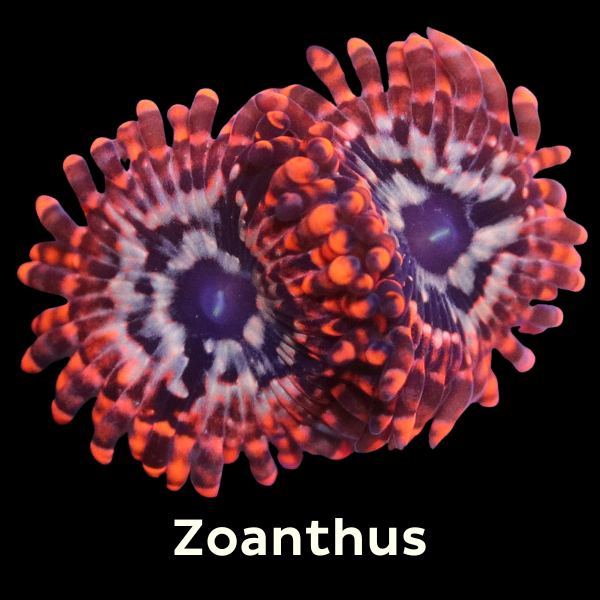
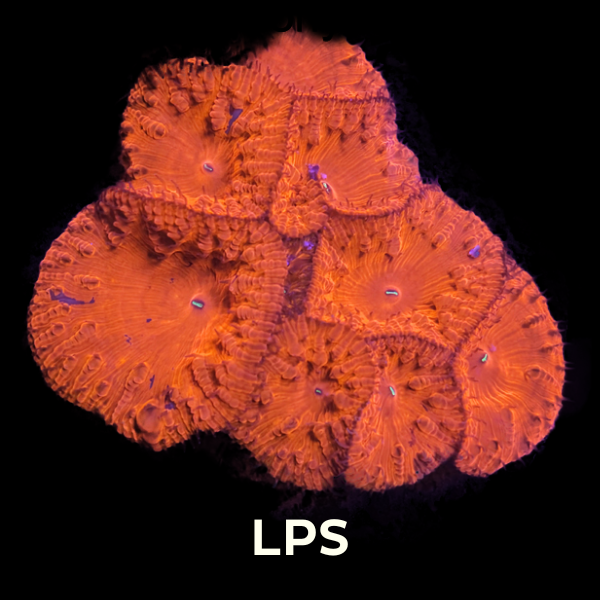
Seahorses do well with most soft corals, such as Zoanthus, Xenia, Cabbage leathers, Tree corals, Spaghetti Finger leathers, Gorgonians, and small mushrooms. Safe LPS corals include Tubastrea, Scolymia, Acanthastrea, Lobophyllia, and Turbinaria.
Avoid corals that could consume or sting seahorses, including Elephant Ear mushrooms, stinging LPS, anemones, Euphyllia, Galaxea, or most SPS corals. Seahorses may irritate SPS and high nitrate and phosphate levels in seahorse tanks make them difficult to maintain alongside sensitive corals.
Most fish are not safe tank mates. Avoid triggerfish, puffers, large angels, sharks, aggressive wrasses, eels, stinging fish like lionfish, and even some seemingly peaceful species like clownfish and blennies. Seahorses cannot defend themselves and even small or seemingly friendly fish can be a serious risk.
Only introduce fish you can remove if necessary, and always quarantine new additions. Seahorses are more susceptible to disease than most fish, so preventing pathogen introduction is critical.
Always compatible with conditioned seahorses: tiny gobies such as Clown, Trimma, Eviota, Elacatinus, and Stonogobiops; Dragonets and Scooters; Curious Wormfish and Eel Gobies.
Usually compatible with large adult seahorses: Royal Gramma Basslets, very small Anthias, Ecsenius Blennies, small Cardinalfish, Dartfish, Firefish, larger Watchman Gobies, small Jawfish, Flasher Wrasses, Assessors, and small Hoplolatilus Tilefish.
Pipefish and related species: These can be compatible in temperament but are often wild caught and can carry pathogens. Quarantine and de-worm wild pipefish for a minimum of nine weeks before introducing them to seahorses, and proceed with caution, as they are challenging to keep in captivity.
Most small snails are safe tank mates for seahorses. Nassarius snails are especially helpful, cleaning up leftover food. Tiny hermit crabs are generally fine, but avoid larger crabs that can pinch seahorses. Clams and scallops can trap or injure seahorses, and some sea stars or urchins may be predatory, so use caution.
Small shrimps like Sexy shrimp can serve as snacks for seahorses, while medium shrimp like Peppermint shrimp are safe companions. Avoid cleaner shrimp that may stress your seahorses. Large shrimp and lobsters pose a serious threat. Porcelain crabs, small ornamental squat lobsters, feather dusters, and non-toxic filter-feeding cucumbers are all compatible and safe.
Try to limit the number of bristleworms in your aquarium. If a seahorse accidentally eats one, it can damage the snout in a painful injury that can lead to infection and starvation.

Mysis shrimp should be the staple diet for seahorses. Spirulina-enriched frozen brine shrimp are excellent treats a few times a week, providing vitamin E and preventing myopathy, but they are not sufficient as a main diet. Copepods are highly nutritious sources of HUFA, though some adult seahorses may ignore them due to their small size.
Experiment with different frozen foods to offer a varied diet, keeping your seahorses healthy and engaged. Many keepers train seahorses to eat from a feeding dish or large seashell. Tools like the CPR Smart Feeder help target-feed slow or picky seahorses by placing food directly in front of them instead of scattering it across the tank.
Supplements like Brightwell Aquatics AminOmega provide concentrated HUFA and can even be used for seahorse fry. You can gut-load live Artemia or soak frozen foods in these vitamins to prevent deficiencies. Consistent supplementation helps ensure your seahorses stay strong and healthy.
Seahorses can get sick very quickly, and some infections can become life-threatening in as little as 24 hours. For this reason, it is essential to have a “medicine cabinet” on hand for your seahorses. Waiting to pick up medications locally or for them to arrive in the mail can be risky. Having the right treatments ready allows you to act immediately, giving your seahorses the best chance of recovery. Be sure to replace medications when they pass their expiration date.
Before using any medication, consult a seahorse expert, a seahorse Facebook group, or a trusted online forum. All medications should be used in a quarantine or hospital tank unless specifically directed otherwise. Always wear gloves when handling medications and performing water changes in the hospital tank.
Recommended Medications:
Antibiotics
API Furan 2
Seachem Kanaplex (kanamycin)
Neosporin (human version, no added ingredients)
Anti-parasitic
Seachem Metroplex (metronidazole)
API General Cure (metronidazole and praziquantel)
API Super Ich Cure (malachite green and nitrofurazone)
Kordon Rid Ich (malachite green and formalin)
Emergency Treatments
Methylene Blue
Kordon Amquel Plus
Unsafe for Seahorses and Related Species:
Copper-based medications
MelaFix
Biota’s captive bred seahorses are the best choice for hobbyists because they are raised in carefully controlled, high-quality aquaculture environments from birth. Unlike wild caught or net-pen seahorses, Biota seahorses are acclimated to eating prepared foods, making them hardier, healthier, and much easier to care for in a home aquarium. Each seahorse receives months of dedicated care, including proper nutrition, water quality management, and disease prevention, ensuring they arrive strong, active, and ready to thrive. By choosing Biota, aquarists support sustainable practices that protect wild populations while enjoying seahorses that are more social, playful, and resilient than any wild-caught alternatives.